

How to Apply for Building Permits
Step-by-step process for residential and commercial permits. What documents you'll need and how long approval takes.
Read GuideUnderstanding the rules that govern residential properties and neighborhoods in Ottawa
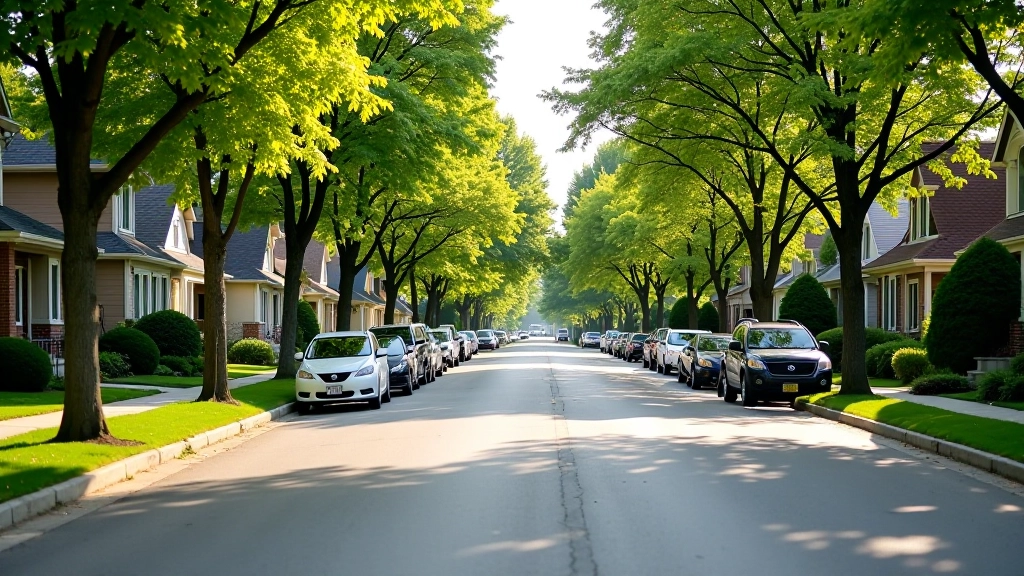
Living in a residential area comes with responsibilities. Whether you're a homeowner, tenant, or someone considering a move to Ottawa, understanding local bylaws isn't just helpful — it's essential. These regulations shape everything from property maintenance to noise levels, parking, and how you use your outdoor space.
We're breaking down the key regulations you'll encounter. This guide covers the bylaws that affect daily life, what you can and can't do on your property, and how to navigate the process if you need permission for changes or have questions about compliance.
Rules about maintenance, exterior appearance, and upkeep of residential properties
Guidelines on acceptable noise levels and quiet hours in residential neighborhoods
Regulations governing where and how vehicles can be parked on residential properties
When you need permission for renovations, additions, or significant property modifications
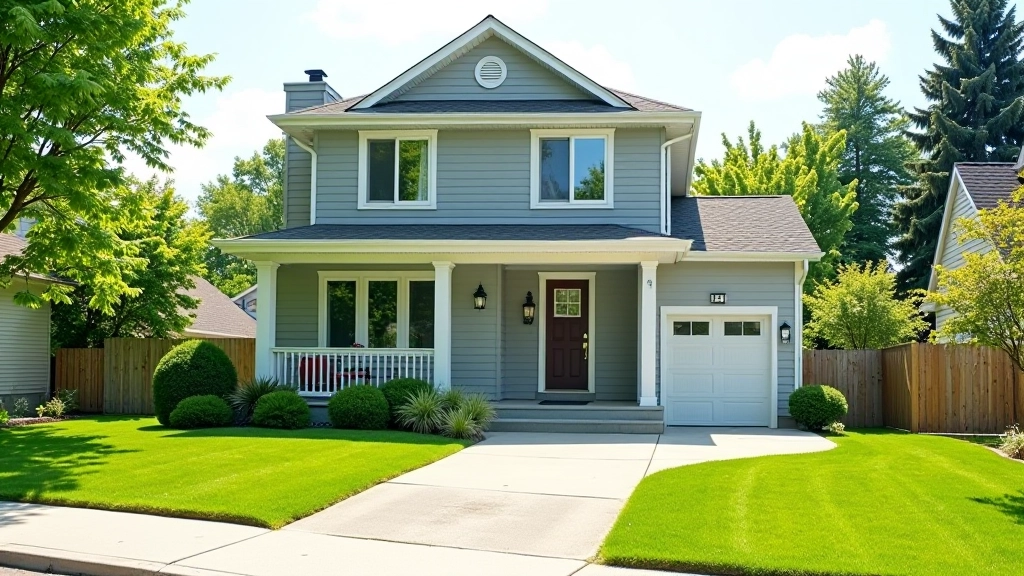
Ottawa's property standards bylaw sets clear expectations for how residential properties should be maintained. These aren't arbitrary rules — they're designed to keep neighborhoods safe, attractive, and functional for everyone.
Your home's exterior needs regular upkeep. That means keeping your yard clear of debris, maintaining fences and gates so they don't become hazards, and ensuring your roof, siding, and foundation are in reasonable condition. If you've got broken windows or missing shingles, you'll want to address those. The city inspects properties when complaints come in, and while minor wear is expected, serious neglect can lead to enforcement action.
Grass and weeds have specific limits too. Your lawn shouldn't exceed 20 centimeters in height — that's roughly 8 inches. It's straightforward, but during growing season when you're busy, it's easy to let it slip. Snow removal is required within 24 hours of a snowfall on sidewalks and driveways you're responsible for. Winter in Ottawa means this matters.
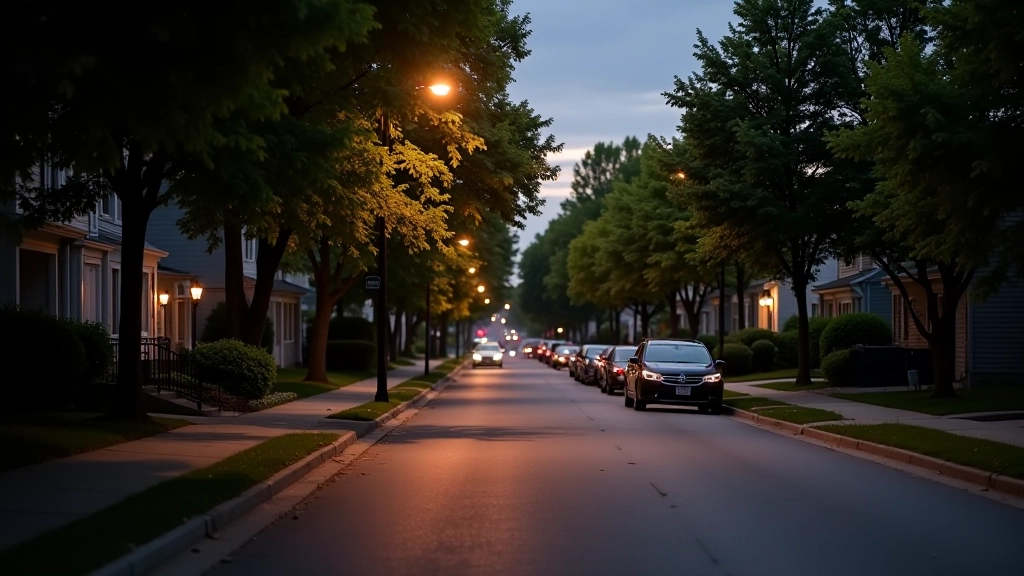
One of the most common bylaw issues involves noise. Ottawa's noise bylaw protects your right to enjoy your home without unreasonable disturbance. That means limits on how loud music, power tools, and other activities can be, especially during specific hours.
Quiet hours run from 10 p.m. to 7 a.m. on weekdays and 10 p.m. to 9 a.m. on weekends. During these times, you shouldn't be running a lawnmower, using power tools, or playing loud music. It's not that you can't make any noise — it's that it can't be unreasonably loud. The bylaw uses the "reasonable person" test: would a typical person in your situation find this annoying? If yes, it's probably a violation.
Barking dogs also fall under disturbance regulations. If your dog barks continuously or excessively, neighbors can file complaints. It's worth noting that one-time incidents don't usually trigger enforcement, but patterns do. Parties, construction, or renovation work that extends into quiet hours needs to be managed carefully.
Step-by-step process for residential and commercial permits. What documents you'll need and how long approval takes.
Read Guide
Understanding how property taxes are calculated and how to appeal an assessment if you believe it's inaccurate.
Read Guide
Local programs, activities, and facilities available for families throughout Ottawa neighborhoods.
Read GuideParking regulations vary depending on whether you live in a single-family home, townhouse, or apartment building. In residential zones, you can't park on the lawn or in your front yard — vehicles must stay on proper paved surfaces like driveways or designated parking areas.
If you're storing a vehicle — whether it's an old car, RV, boat, or commercial vehicle — there are specific rules. Inoperable vehicles can't be parked on the street for extended periods. Commercial vehicles like delivery trucks or work vans have restrictions on where they can be parked in residential areas, especially overnight. Trailers, campers, and recreational vehicles have their own guidelines too. Generally, they can't be parked on the street and need to be stored on private property, usually out of public view.
Street parking itself has time limits in many areas. Check your specific neighborhood — some streets have 2-hour limits, while others allow overnight parking. These rules are designed to keep streets clear for emergency vehicles and prevent the neighborhood from becoming a long-term storage lot.


Planning a renovation or addition? You'll likely need a permit. The key question is whether your project affects the structure, safety, or use of your home. Adding a deck, finishing a basement, installing a pool, or building a garage all require permits. Even something like replacing windows might need approval if it changes the exterior appearance.
The permit process typically takes 2-4 weeks, though complex projects take longer. You'll need to submit plans, sometimes from a licensed professional, showing exactly what you're building and how it meets building codes. Inspections happen at various stages — foundation, framing, electrical, plumbing — before final approval. It might feel like extra work upfront, but permits protect you. They ensure your project is safe, properly constructed, and won't cause problems when you sell.
Minor work like painting, replacing doors, or updating flooring typically doesn't need permits. If you're unsure, you can call the building department and describe your project. They'll tell you whether you need to apply.
This guide provides general information about Ottawa's residential bylaws and regulations. Bylaws are updated periodically, and specific requirements may vary depending on your neighborhood, property type, or ward. For current, detailed information about your specific situation, contact the City of Ottawa's By-law and Regulatory Services at 311 or visit the official city website. If you're facing an enforcement issue or need legal advice, consult with a local lawyer who specializes in municipal law.
Understanding your local bylaws doesn't mean your life becomes restrictive. It's actually the opposite — knowing the rules helps you make informed decisions about your property and enjoy your neighborhood without conflicts. Most people follow these regulations naturally. It's the edge cases — that fence you want to build, the major renovation you're planning, or the complaint about your dog's barking — where knowledge really helps.
If you're new to Ottawa, spend some time reviewing your specific ward's regulations. If you're considering a property change, check whether you need a permit before you start. And if you get a complaint or notice from the city, take it seriously. Responding promptly and making corrections is always easier than dealing with enforcement action.
The city's goal isn't to make your life difficult — it's to keep neighborhoods safe, peaceful, and attractive for everyone. When everyone understands and follows the same rules, that's exactly what happens.

Author
Editorial Team
Written by the Civic Answer Hub editorial team, focused on clear, verified guidance for government services and multilingual support.