
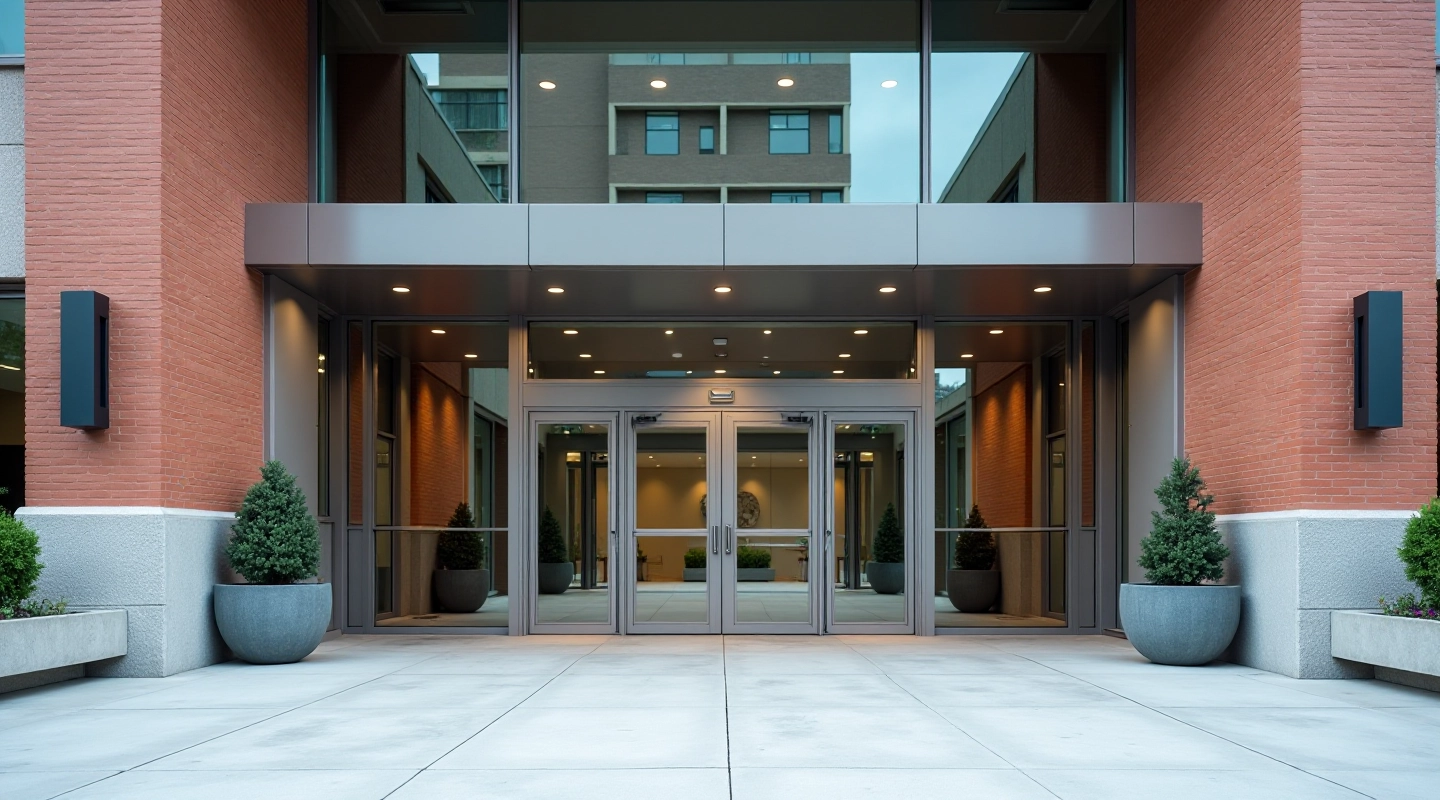
How to Apply for Building Permits
Step-by-step process for residential and commercial permits. What documents you'll need and what to expect during the review process.
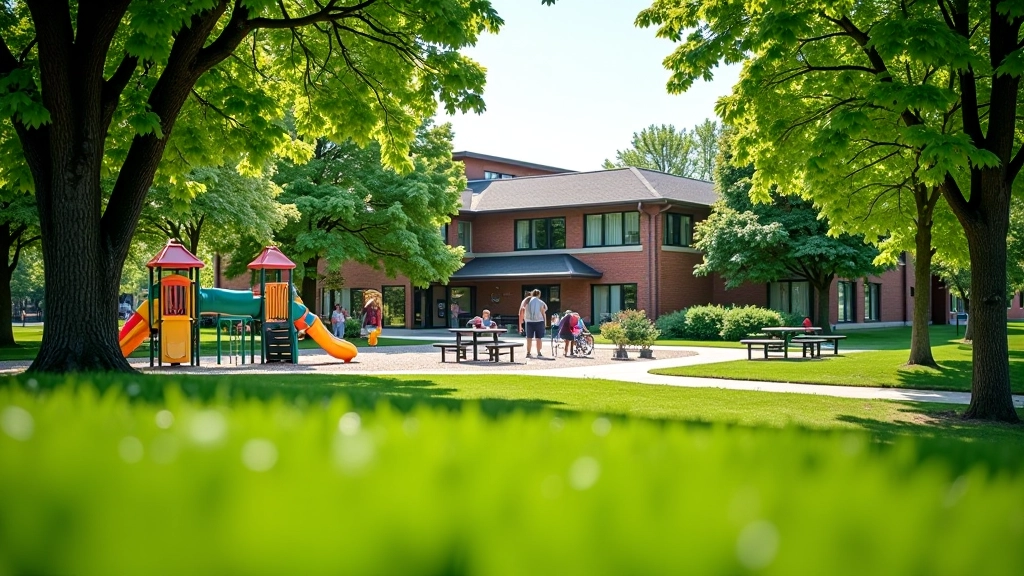
Discover local programs that fit your family's interests and schedule
Looking for something fun for the kids? Whether you're interested in sports, arts, or outdoor activities, finding the right recreation program doesn't have to be complicated. We'll walk you through the process step by step.
Recreation programs offer more than just fun — they build confidence, develop skills, and help kids stay active. Plus, they're a great way for families to connect with their community. The good news? Most programs are designed to be affordable and accessible for everyone.
Here's a straightforward approach that works for most families:
What does your child enjoy? Sports like basketball, soccer, or swimming? Creative activities like art, music, or drama? Outdoor adventures or team sports? Don't assume you know — ask them. Kids are more likely to stick with activities they actually choose.
Your city or municipality runs recreation programs — they're often the most affordable option. Most communities have dedicated recreation centers or parks departments that offer dozens of programs. Check their website or call directly. They'll have schedules, age groups, and pricing information. Many centers operate year-round with seasonal programs.
A great program doesn't help if you can't get there. Think about timing — does the program run during school hours, after school, or weekends? Is it within reasonable distance from home or school? Don't overlook transportation logistics. Programs that start at 3:30 PM work better than ones starting at 4:00 PM if you're picking up from school.
Many programs let you watch a session before signing up. This gives you a feel for the instructor's teaching style, the facility quality, and how engaged the kids are. It's worth taking the time — you'll know immediately if it's a good fit.
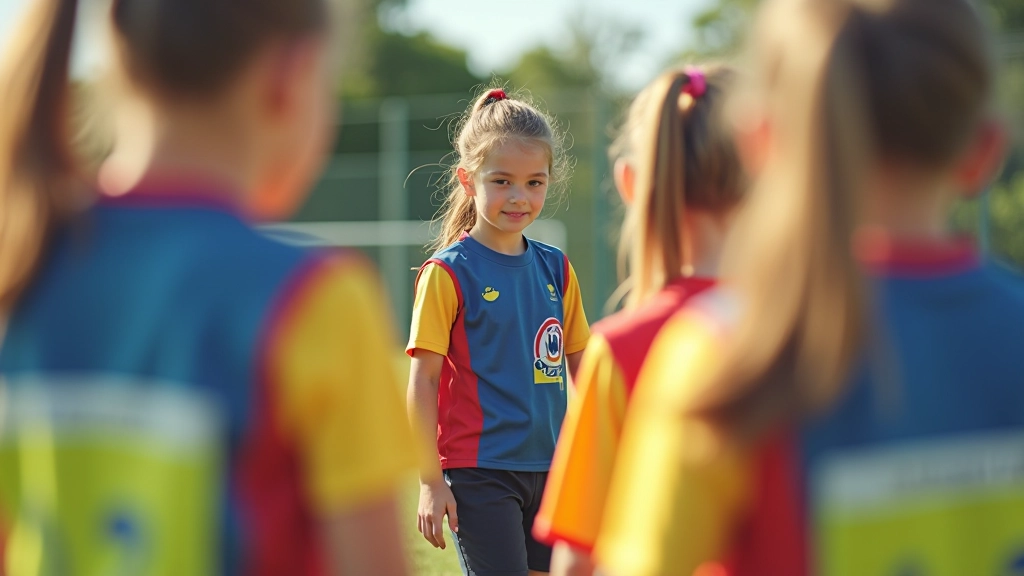
It's not just about staying busy. Recreation programs develop real skills — physical fitness, coordination, teamwork, and confidence. Kids learn to handle wins and losses, follow instructions, and work with peers who might be different from them.
Beyond the skill-building, there's the social side. Kids meet friends, build connections, and develop a sense of belonging. For parents, it's a chance to connect with other families in your community. Many recreation centers have bulletin boards where parents share information about local events, schools, and services.
And honestly? A structured activity gives kids healthy outlets for energy. An hour of focused basketball practice or art class means calmer evenings at home.
Recreation programs come in many flavors. Here's what you'll typically find:
Basketball, soccer, volleyball, swimming, badminton, and more. Most run in seasonal sessions — fall, winter, spring. Beginner programs teach fundamentals. Competitive leagues exist for kids wanting more challenge.
Drawing, painting, pottery, music lessons, drama workshops, dance classes. These programs encourage self-expression and creativity. Many don't require prior experience — instructors work with all levels.
Hiking clubs, nature camps, cycling programs, skateboarding lessons, rock climbing. These programs connect kids with the outdoors and teach outdoor skills in a safe, supervised setting.
Chess clubs, coding classes, robotics teams, board game groups. These programs develop problem-solving and strategic thinking. They're quieter than sports but equally engaging for the right kid.
Starting a new program goes smoothly when you plan ahead. Here's what actually works:
Program fees are usually reasonable, but there might be registration costs, equipment needs, or uniform requirements. Ask upfront what's included and what you'll need to buy separately.
Factor in drive time, parking, and waiting. Some centers offer drop-off programs where kids stay between school and their activity. This saves parents from making multiple trips.
Kids need 3-4 sessions to adjust to something new. Nervousness on day one is normal. If your child's genuinely unhappy after a few sessions, it's okay to try something different — but don't bail after one week.
Chat with other parents while waiting. You'll learn which programs work, get transportation tips, and build your community network. Many parents arrange carpool to split driving.
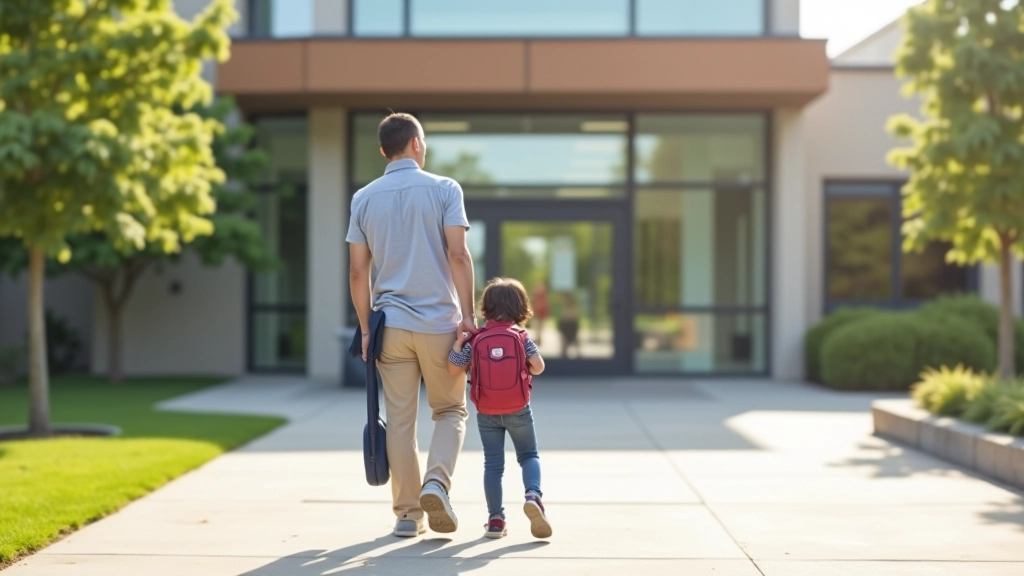
Most programs are easy to find once you know where to look. Here's where to start your search:
This is your first stop. Your city or municipality runs recreation programs through parks departments or recreation services. Visit their website, call, or stop by their office. They have catalogs (online and printed) listing every program by age, season, and interest.
Local YMCAs, community centers, and recreation centers post their schedules and accept registrations. Many have multiple locations. Some offer scholarship programs if cost is a barrier.
Some schools run after-school programs or host programs run by external organizations. Check your school's bulletin board or website for flyers and information.
If your child's interested in a specific sport, look for the local club or association. Most have beginner programs. They're usually more specialized than municipal programs.
This guide provides general information about finding recreation programs in your community. Program availability, costs, and schedules vary by location. Contact your local municipal recreation department directly for current program listings, registration deadlines, and specific details. Policies regarding registration, cancellation, and refunds differ between programs — always review program-specific terms before enrolling. Some programs may have waiting lists during peak seasons.
Written by
Editorial Team
Written by the Civic Answer Hub editorial team, focused on clear, verified guidance for government services and multilingual support.
Explore more government services and community information
Step-by-step process for residential and commercial permits. What documents you'll need and what to expect during the review process.

Understanding how property taxes are calculated, how assessments work, and what you can do if you disagree with your assessment.
Know your rights and responsibilities as a resident. What bylaws apply to your property and how they affect your living situation.
Finding the right recreation program doesn't require expert knowledge. You're looking for something your child enjoys, at a time that works for your family, in a location you can reach. That's it. Most communities have more options than you'd expect — the challenge is narrowing down what fits best.
Start with your municipal recreation department. Browse their catalog, talk to other parents, and don't overthink it. Your child will let you know if it's working. And if it's not? There's always another program to try.